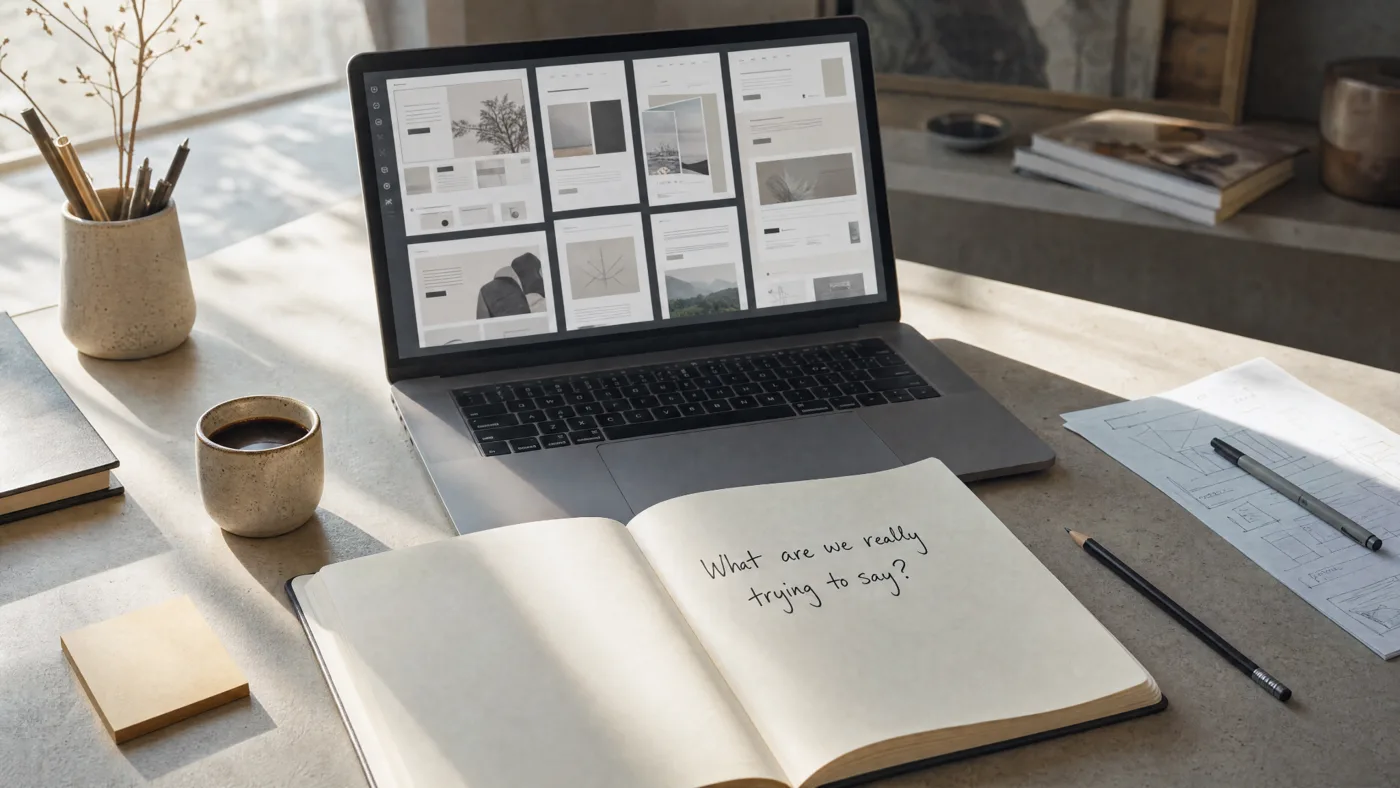
The blank page used to be the scary part.
A writer stared at it.
A designer avoided it.
A founder opened a new document and suddenly remembered every small task except the one in front of them.
The blank page had weight.
It asked for a beginning.
Now the blank page does not stay blank for long.
One prompt, and there are ten headlines.
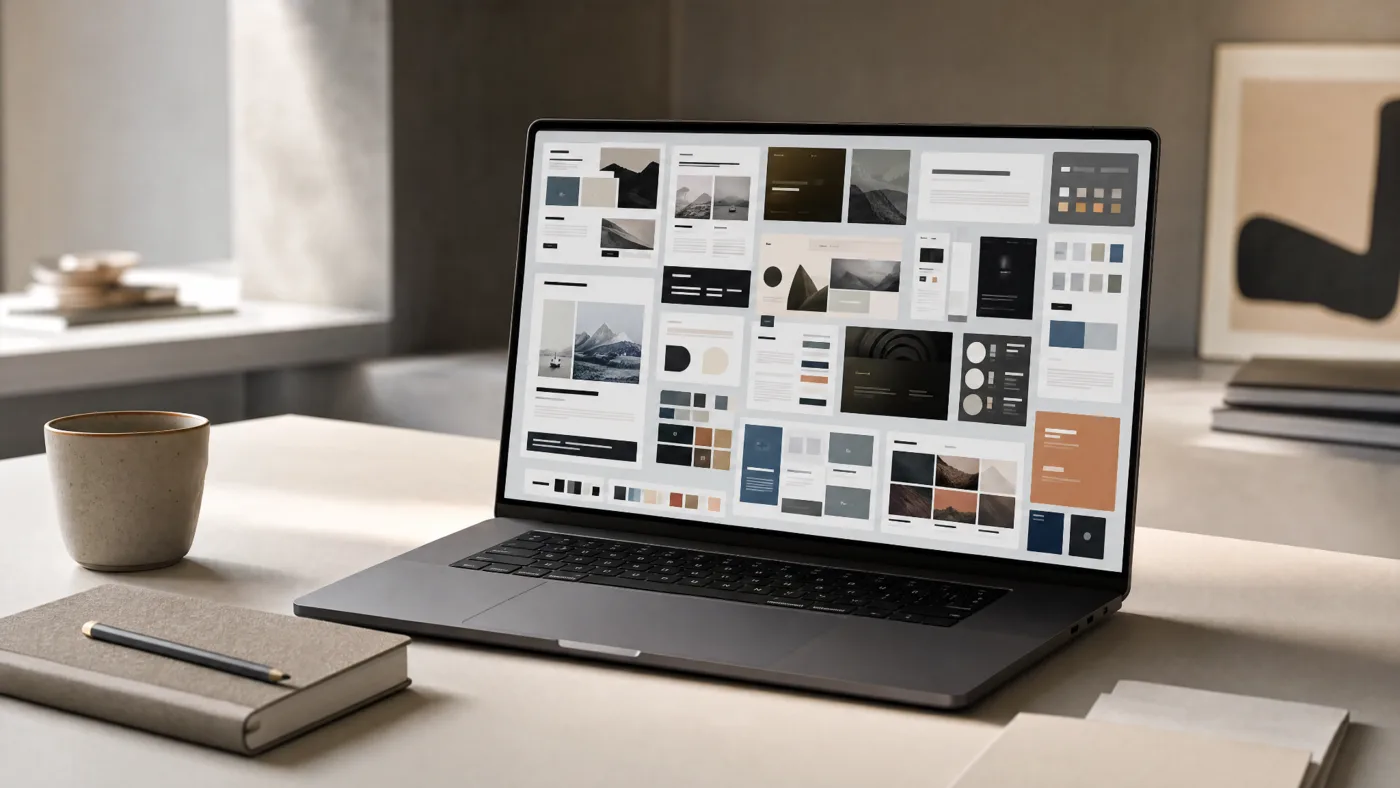
One idea, and there are five layouts.
One direction, and there are twenty images, three brand voices, and a full content plan waiting on the screen.
For a moment, it feels like magic.
Then it starts to feel crowded.
This is the new creative problem.
Not the lack of ideas.
Too many ideas.
AI did not just make it easier to create.
It made it easier to create more than we know what to do with.
And when everything can generate, generation stops being the rare skill.
Editing becomes the rare skill.
Not editing as in fixing a typo.
Not editing as in making something slightly cleaner.
Real editing.
The kind that says:
“This is too obvious.”
“This sounds good, but it says nothing.”
“This layout is beautiful, but it is not right.”
“This line is clever, but the brand would never say it.”
“This idea is almost there, but it needs to lose half of itself.”
That is not small work.
That is the work.
Because AI can give us options.
But options are not direction.
A room full of options can still have no idea inside it.
This is where many people get fooled.
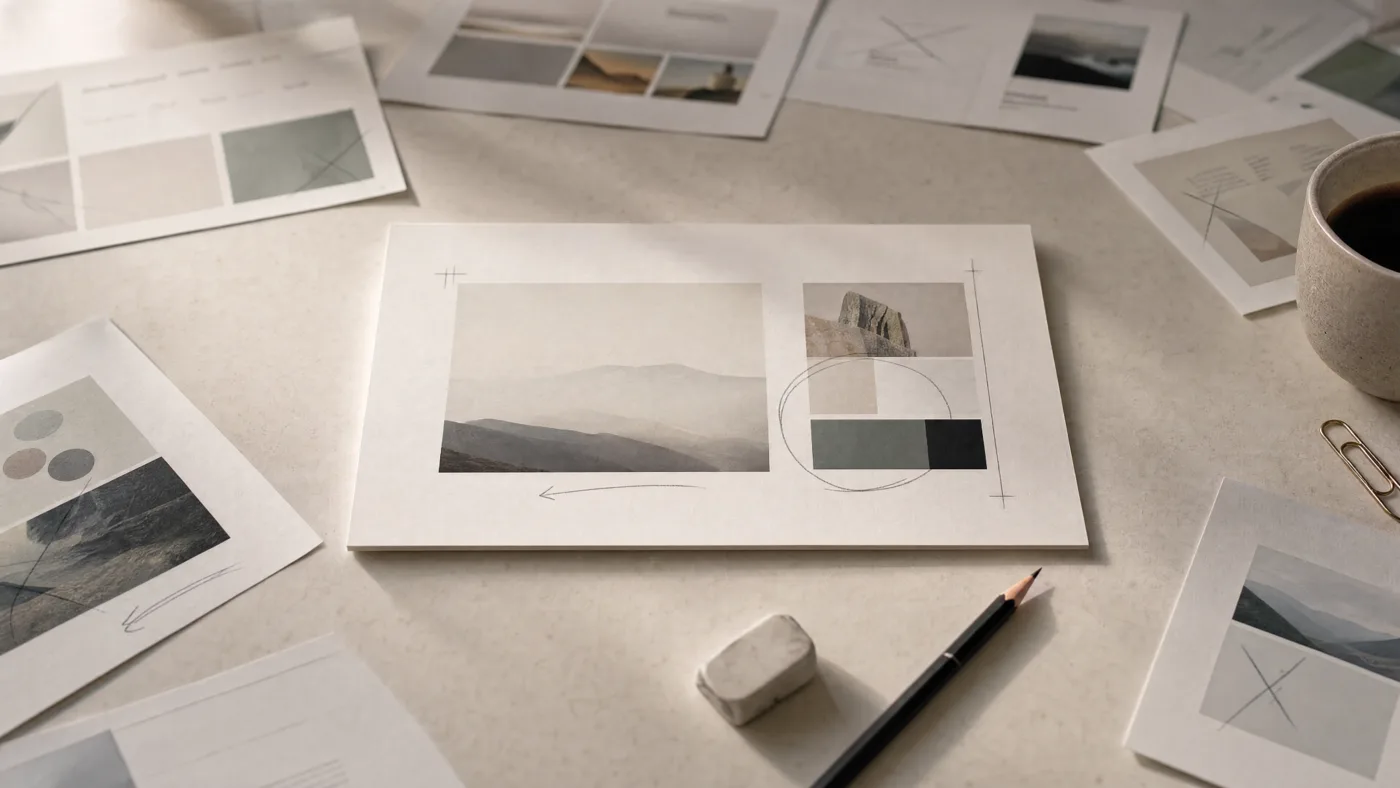
They see output and think they are making progress.
More drafts.
More versions.
More styles.
More directions.
More choices.
But more is not always movement.
Sometimes more is just a louder room.
The best creative people in this new world will not be the ones who keep asking for another version.
Anyone can do that now.
The best creative people will be the ones who know when to stop.
They will know when the tenth option is not better than the third one.
They will know when a clean design is hiding a weak thought.
They will know when a polished paragraph has no pulse.
They will know when something should be removed, even if it took time to make.
That last part matters.
Editing is not always comfortable.
It means throwing away work that looks good.
It means rejecting something the tool made quickly, even if it feels impressive.
It means not falling in love with the amount of output.
It means protecting the idea from becoming too much.
A good editor does not only improve the work.
A good editor protects the work.
From noise.
From trends.
From fake polish.
From cleverness that adds nothing.
From the temptation to keep everything.
This is why taste matters more now, not less.
Taste is not just knowing what looks nice.
Taste is knowing what belongs.
What fits the brand.
What respects the audience.
What feels honest.
What should be quieter.
What should be sharper.
What should disappear completely.
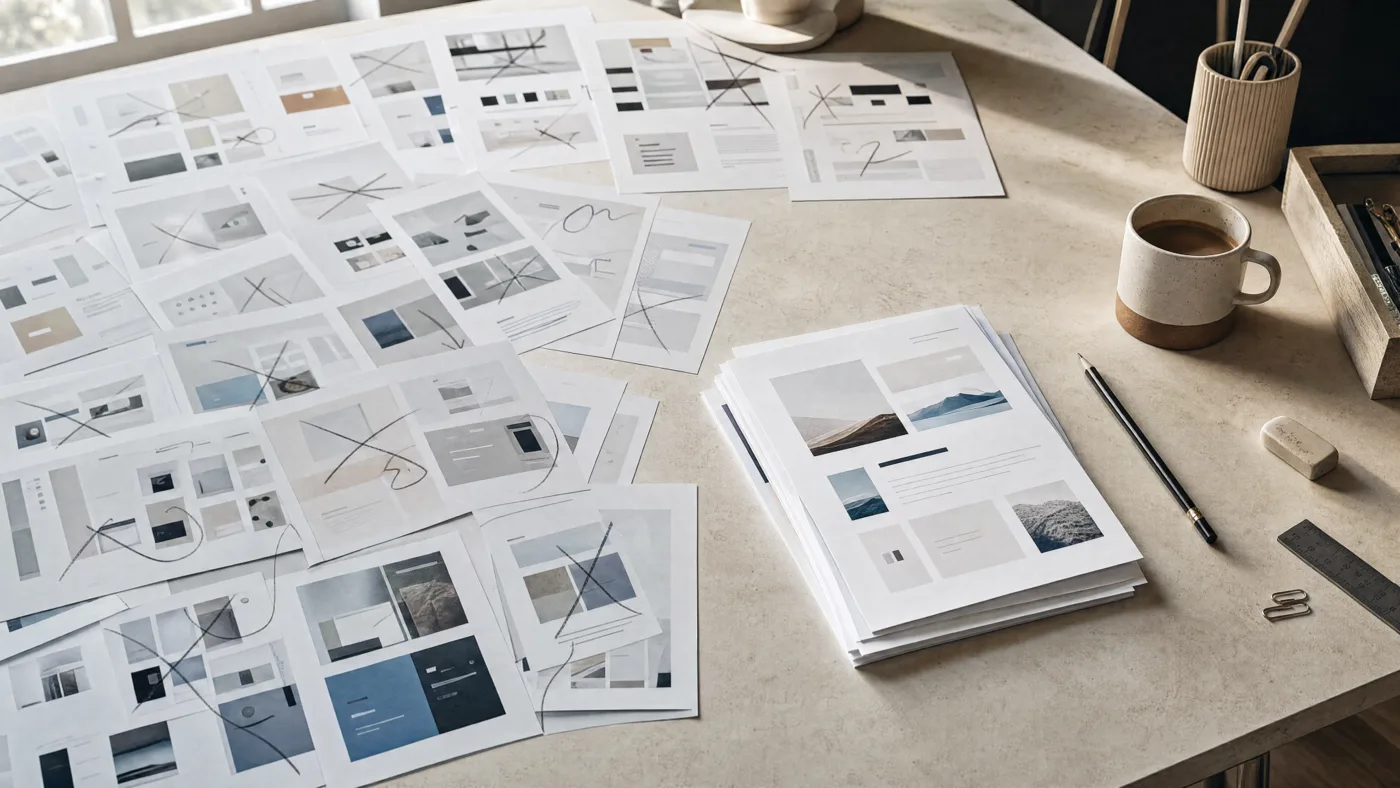
AI can help us move faster through the first draft.
But it cannot always feel when the work has become too generic.
It cannot always know when a sentence sounds impressive but empty.
It cannot always understand the small difference between “good enough” and “right.”
That difference is human.
This does not mean we should avoid AI.
That would be strange.
AI is useful.
It removes the fear of starting.
It helps us explore.
It shows us directions we may not have reached alone.
It gives us material to react to.
But the reaction is the important part.
The question is not, “Can this tool generate?”
Of course it can.
The better question is:
“Can I tell what is worth keeping?”
That is where the skill is moving.
The future will not reward people who simply produce more.
There will already be too much more.
It will reward the people who can look at all of it and choose with care.
The people who can delete without panic.
Simplify without making things boring.
Sharpen without making things cold.
Use speed without losing the soul of the work.
Because the first draft is no longer the mountain.
The mountain is the pile of almost-good things.
And somewhere inside that pile, there may be one honest idea waiting.
The real skill is knowing how to find it, brush the noise off gently, and let it breathe.
Written by Allgood Studio.
Human-led design, AI-assisted speed, and careful hands for brands, websites, and digital products.